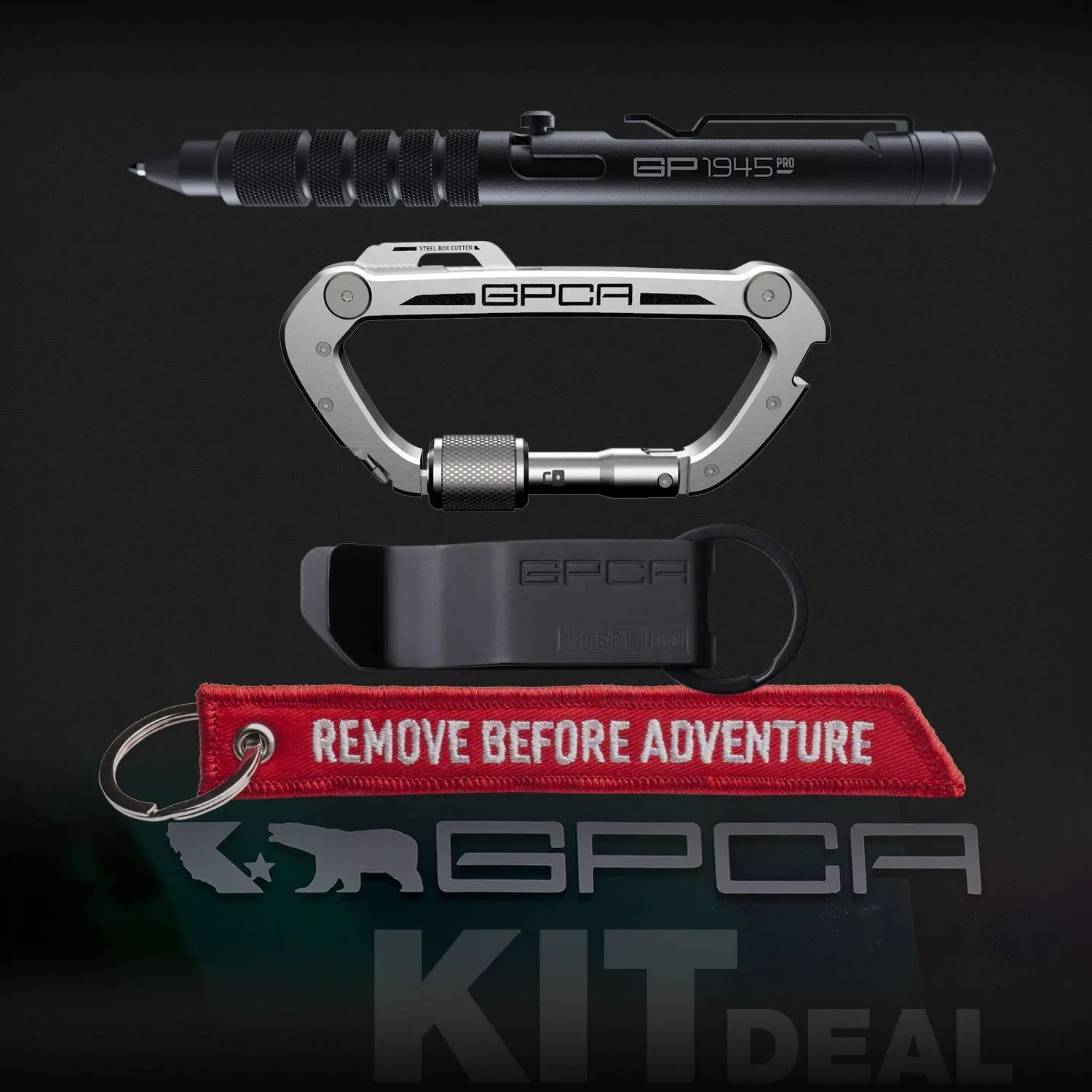
The Man's Guide to Everyday Carry: GPCA's Top Picks
Everyday carry can become ridiculous surprisingly fast. One minute you're looking for a better keychain. The next you're comparing titanium pocket tools at 1 a.m., wondering whether your daily commute requires equipment normally associated with crossing a mountain range.
A useful EDC isn't about carrying the most gear. It's about removing small daily frustrations with tools you genuinely use.

Start with the problems, not the products
Look at the moments that repeat: keys scratching your phone, a pen disappearing when you need to sign something, loose cards bending in a pocket, packages that won't open, small items migrating to the bottom of a bag.
Those annoyances form your real EDC list. A commuter, a contractor, a designer, and a weekend camper may all carry different things — and all of them may be right.
1. Control your keys
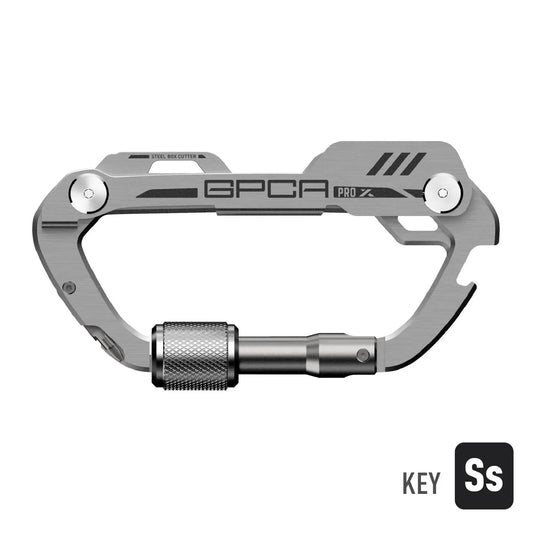
Keys are the center of most EDC systems because they're carried nearly every day. A good carabiner keeps them attached, accessible, and easy to transfer between a belt loop, backpack, vehicle, or storage hook.
The GPCA Carabiner PRO X KEY is designed as an evolution of that idea: a durable carry platform that combines organized key access with the utility-minded approach of the GPCA carabiner family.

→ Shop GPCA Carabiner PRO X KEY
2. Carry a pen worth keeping
A pen still solves problems a phone can't. It signs forms, marks measurements, leaves notes, sketches ideas, and works when your battery is dead.
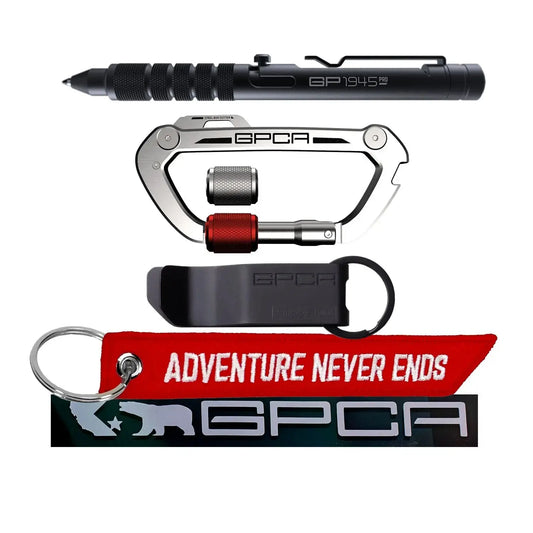
The GP-1945 Bolt Action Pen PRO adds a satisfying bolt-action mechanism, a multi-tone whistle, emergency measurement details, and a tungsten glass-breaker tip — while remaining a pen first. A tool shouldn't become so fascinated with its secondary features that it forgets its main job. (Note: the PRO model is not TSA-compliant for carry-on due to the tungsten tip — pack it in checked luggage.)

→ Shop GP-1945 Bolt Action Pen PRO
3. Make your wallet disappear — in a good way
Bulky wallets collect old receipts, expired cards, and evidence of purchases you'd rather forget. A modern wallet should carry the essentials without turning your pocket into a filing cabinet.
The United-1 Wallet uses a compact metal structure and silicone strap system to hold cards and cash — with built-in RFID-blocking technology. It's for the person who wants a cleaner carry, not a portable archive.

4. Choose materials for your lifestyle
Steel feels substantial and handles daily wear well. Aluminum keeps weight down but may show marks of use over time. Titanium combines low weight, strength, corrosion resistance, and a premium feel — at a higher cost. There's no universally correct choice; it depends on whether you prioritize weight, price, durability, or the simple pleasure of carrying something beautifully made.
5. Build a system, not a junk drawer
- Every item should solve a repeat problem.
- Avoid carrying two tools that do the same job.
- Keep the heaviest items away from your phone pocket.
- Review your carry every few months — remove what never gets used.
- Let your vehicle carry the larger gear; let your pockets carry the essentials.
The rule
Carry gear that makes you more capable, not gear that makes you feel like you're wearing a hardware store. A carabiner, a pen, a slim wallet, and a few personal essentials cover most days. Add specialized tools only when your real life asks for them. That's the difference between everyday carry and everyday clutter.
Gear Mentioned in This Post
- GPCA Carabiner PRO X KEY — Key organizer + EDC multi-tool platform
- GPCA Carabiner PRO — Flagship multi-tool carabiner — Gizmodo's 'Swiss knife of the carabiner'
- GP-1945 Bolt Action Pen PRO — Precision bolt-action pen with whistle and glass-breaker
- United-1 Wallet — Slim metal wallet with built-in RFID blocking
- EDC Collection — Full everyday carry lineup
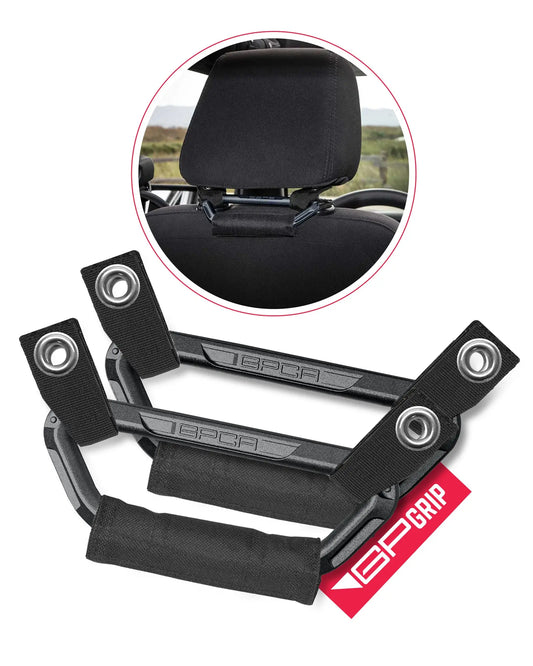
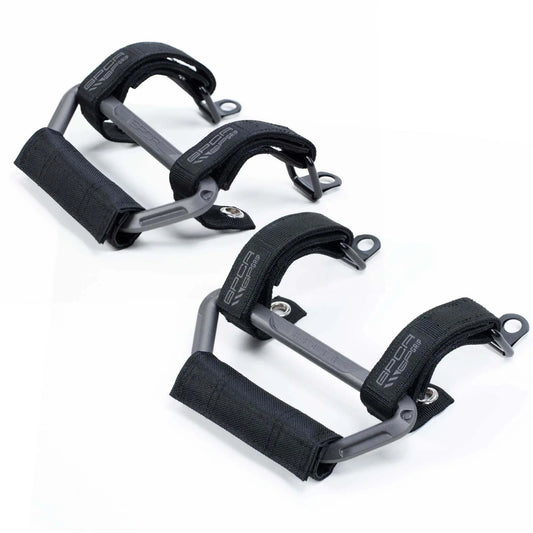
- GP Back Grip PRO — Headrest handle — because the vehicle carries the bigger gear