A Day in the Life at GPCA: Stories from Our Product Design Team
There's no dramatic gong that announces the beginning of a design day at GPCA. Usually there's coffee, an open laptop, a half-disassembled prototype, and somebody asking why the part that worked perfectly yesterday has developed a new personality overnight.
Product development rarely moves in a straight line. It loops. It pauses. It returns to a sketch from three months ago and discovers that the first idea wasn't wrong — it was simply early.

Morning: begin with the problem
The best GPCA projects usually begin with an irritation observed in real life: a grab handle that swings, a key system that tangles, a cargo area that exposes everything, or a dog leash that becomes uncomfortable when the dog suddenly decides a squirrel is now the creative director.
The team starts by describing the problem in plain language. What's happening? Who experiences it? When does it become frustrating? What are people doing now to work around it? A weak problem statement produces decorative solutions. A clear problem creates direction.
Late morning: sketch quickly, judge slowly
Ideas are sketched fast. Some are practical. Some are ambitious. Some look great until a dimension is added and everybody realizes the human hand would need to evolve to reach it.
The goal isn't to fall in love with the first drawing — it's to create enough options that the design can be compared instead of defended. This is where the influence of design-thinking firms like IDEO shows up: not as a style to imitate, but as a habit of staying close to human behavior, prototyping early, and treating feedback as part of the design rather than an interruption.
Afternoon: prototypes tell the truth
A model on a screen can hide a lot. A physical prototype is less polite. It reveals sharp edges, awkward reach, loose movement, blocked visibility, bad balance, and the mysterious half-inch that seemed unnecessary until the user's hand arrived.
GPCA has tested a wide range of prototypes across 6+ successfully funded Kickstarter campaigns. Some models test shape. Others test mounting, material, load, tool access, or the way a product feels after repeated use. A prototype doesn't need to look finished — it needs to answer the next important question.
The middle of the day: real life enters the room
Customer emails, reviews, installation questions, and field photos are all part of the process. They show where instructions are unclear, where a product is being used in an unexpected vehicle, and where a feature matters more — or less — than expected.
One owner mounts a universal grip on an ATV. Another uses a Back Grip in a lifted truck for older passengers. A dog owner connects products in a way that suggests an entirely new system. Designers make objects. Users reveal ecosystems.
Late afternoon: details become the product
The final stretch is filled with decisions that rarely appear in marketing: fastener sizes, washer order, strap length, edge radius, packaging protection, replacement parts, tool access, color consistency, and whether the instruction image is showing the correct side of the vehicle.
These details aren't glamorous. But they determine whether the product feels trustworthy — and that's the whole point of the EDC and automotive gear GPCA builds.
Evening: the notebook stays open
At the end of the day, there's a list of answers and a longer list of new questions. That's normal. A useful product isn't created by one brilliant moment. It's created by many ordinary moments of noticing, testing, revising, and caring enough to fix the thing that almost worked.
Then the coffee cup is washed, the prototype stays on the desk, and tomorrow begins exactly where the design left off.
Gear Mentioned in This Post
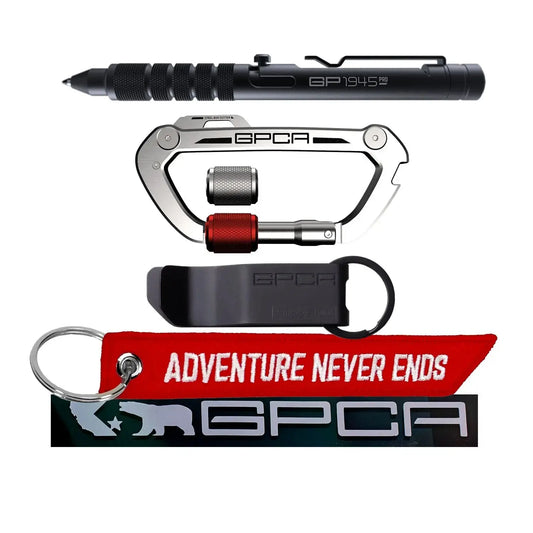
- EDC Collection — The full everyday carry lineup — built through the process described above
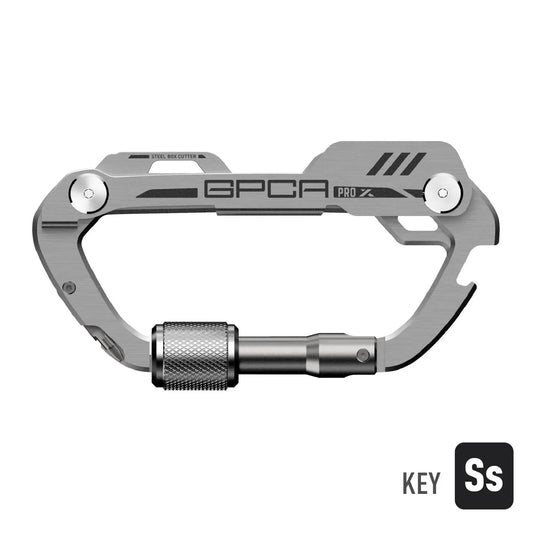
- GPCA Carabiners — Multi-tool carabiner family
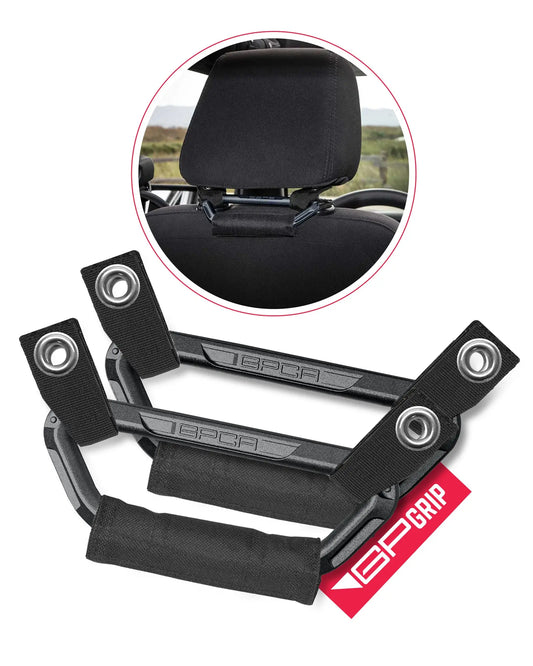
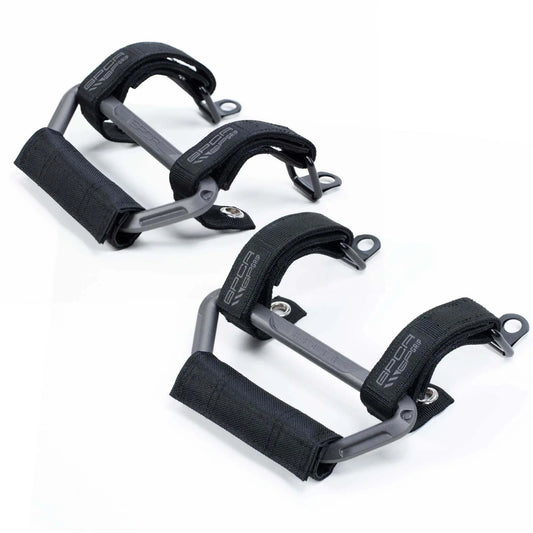
- GP-Grip Systems — Roll bar and headrest handle lineup